
Public Health Planning
The "What if"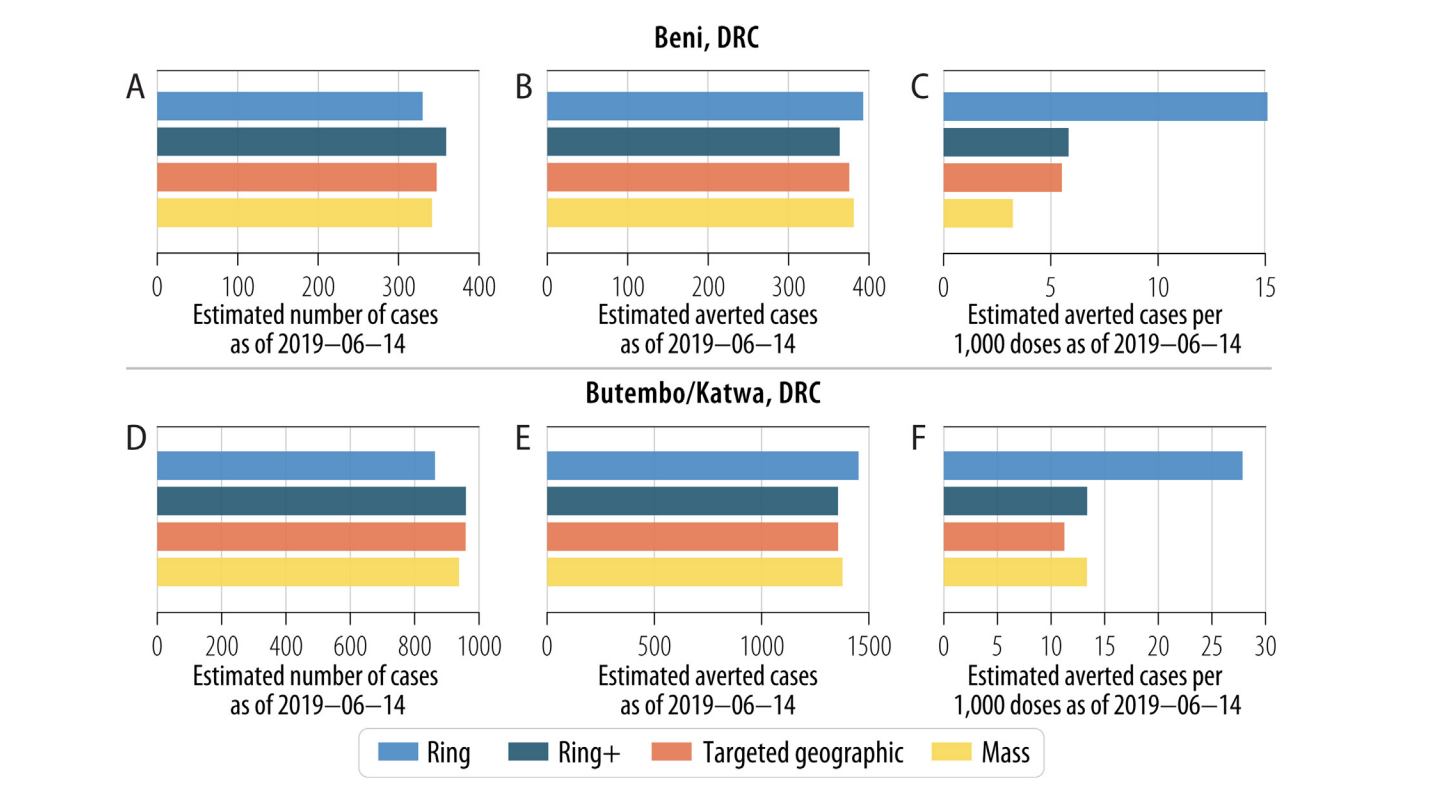
Why Public Health Planning?
Whether responding to an emerging epidemic or managing endemic diseases, policymakers often grapple with "what if" questions: What if we implement school closures? What if a new vaccine is distributed to specific age groups first? What if vector control is intensified in one neighborhood over another? By creating virtual laboratories of epidemic spread, we allow public health officials to test the potential impact of their decisions before they are implemented in the real world. This approach provides science-based information to ground their decision-making process in data and evidence.
Research Topics
- Projections of Epidemic and Endemic Trajectories. We develop models to explore hypothetical scenarios regarding the medium- and long-term dynamics of infectious diseases. This includes the evaluation of the relative impact of established public health measures (e.g., vaccination schedules and programs) on disease burden over time.
- Model-Based Evaluation of Intervention Strategies. We use mechanistic modeling to provide estimates of the effectiveness of pharmaceutical and non-pharmaceutical interventions. We also support the definition of actionable guidelines for strategy deployment.
Approach
We use mechanistic modeling to simulate the underlying processes driving infectious disease spread. We utilize a variety of approaches, including compartmental, agent-based, and network models, to simulate the interactions of individuals within complex social environments and track pathogen spread. These approaches enable us to evaluate how specific behaviors and policy changes shape the epidemiology of infectious diseases.
Impact
- International & Multi-National Policy Support: We provide model-based evidence to international organizations like the World Health Organization (WHO) and to various national health agencies worldwide. Our work supports the design and evaluation of public health preparedness and response strategies at both global and country-specific levels. We have been directly involved in various task forces during international public health emergencies such as the 2009 H1N1 influenza pandemic, 2014–2016 West Africa Ebola outbreak, 2018–2020 Ebola outbreak in the Democratic Republic of the Congo, and the COVID-19 pandemic.
- Local Intervention Strategy: We collaborate with local mosquito control authorities to evaluate the impact of vector-control strategies on reducing the risk of mosquito-borne diseases in jurisdictions throughout the Southern United States.
- CDC Scenario Modeling Hubs: The CEPH Lab is an active participant in the CDC-led Scenario Modeling Hub initiatives, contributing to the national understanding of the spread of respiratory diseases (e.g., influenza and RSV) to inform federal response planning and vaccination programs.
Funding
- Our scenario analyses are supported by the CDC, NSF, and local grants.
References
-
Ajelli M, Muyembe JJ, Touré A, Diallo A, Litvinova M, Merler S, Mulangu S, Bagayoko A, Bah A, Bah I, Barry A, Barry F, Chérif M, Condé D, Diallo AA, Diallo F, Diakité M, Doré K, Mapan KA, Koundouno T, Onivogui PK, Lamah F, Maneno H, Nomou A, Sekouba K, Sani I, Soumah A, Sy MM, Gsell PS, Halloran ME, Henao-Restrepo AM, Fall IS, Ryan MJ, Salama P, Vespignani A, Longini IM.
Vaccination strategies for Ebola in the democratic republic of Congo: the WHO-Ebola modeling collaboration. International Journal of Infectious Diseases. 2025;153:107779.
-
Kummer AG, Wilke ABB, Ventura PC, Vasquez C, Medina J, Unlu I, Gonzalez Y, Mhlanga A, Benelli G, Ejima K, Mutebi JP, Ajelli M.
Comparing the effectiveness of adulticide application interventions on mitigating local transmission of dengue virus. J Pest Sci. 2024; 98:463-475
-
Jeong YD, Ejima K, Kim KS, Joohyeon W, Iwanami S, Fujita Y, Jung IH, Aihara K, Shibuya K, Iwami S, Bento AI, Ajelli M.
Designing isolation guidelines for COVID-19 patients with rapid antigen tests. Nat Commun. 2022;13(1):4910.